
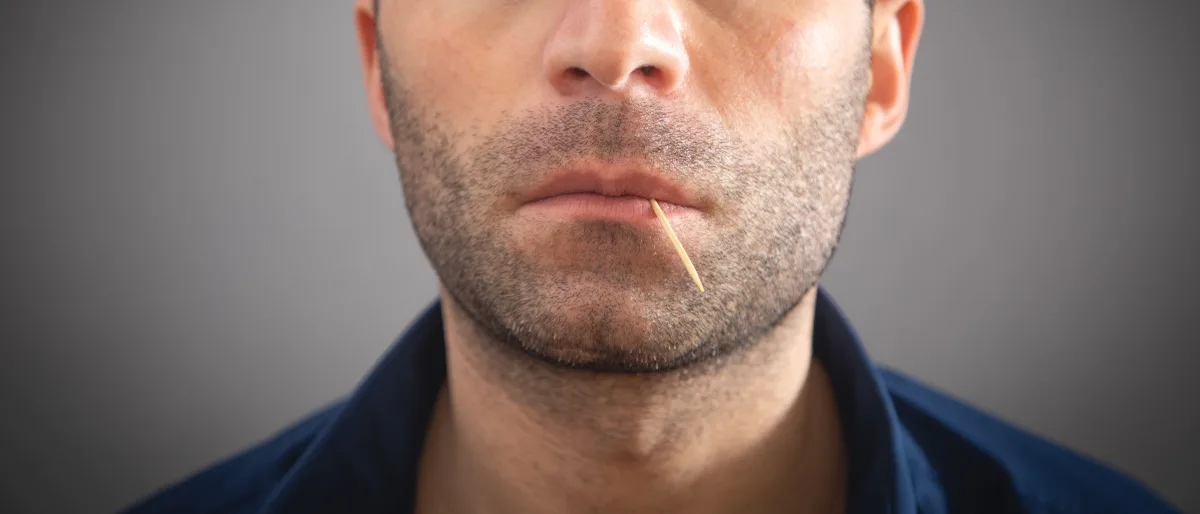
What is a beard transplant?
Beard density is largely genetic: some men never develop full coverage on the cheeks, chin or moustache, while others carry gaps from scars, burns or previous skin conditions. A beard transplant solves this permanently by relocating your own hair follicles, usually from the back of the scalp, into the beard zone. Extraction follows the same FUE principle as a scalp transplant, and implantation is done graft by graft with fine instruments or DHI Choi pens. Because beard hairs grow at a much flatter angle than scalp hair, precise angle control is essential; each follicle is placed almost parallel to the skin, following the direction of the surrounding growth. Once healed, the transplanted hairs behave exactly like native beard hair.
Designing your beard: symmetry, lines and density
A convincing beard result is designed before a single graft is moved. During your consultation in Den Haag, the surgeon studies your facial proportions, existing growth pattern, hair thickness and skin tone, then draws the cheek lines, neckline and moustache borders together with you. Some patients want subtle filling of patchy spots; others want a defined full beard or a denser goatee. The design determines how many grafts are needed, typically anywhere from a few hundred for targeted gaps to several thousand for a complete beard. Our surgeons deliberately keep the design masculine, symmetrical and age-appropriate, and will advise honestly if a requested style would not suit your features or your donor capacity.
Procedure day at our Den Haag clinic
On the day of your beard transplant, the design is confirmed and photographed, and the donor area at the back of the head is prepared. Under local anaesthesia, the required follicular units are extracted and sorted, with single grafts reserved for visible border zones such as the moustache and cheek lines. The surgeon then implants each graft at the correct flat angle and direction. A session usually takes four to six hours, and you go home the same day. Mild redness and small crusts in the beard area are normal in the first week; we provide all medications, a step-by-step aftercare plan and direct access to the medical team, in English, Dutch, Turkish, German or Arabic.
Recovery and beard growth timeline
Facial skin heals quickly. Crusts around the grafts flake off within about a week to ten days, and most patients feel presentable again well within two weeks. The transplanted hairs commonly shed in the first month, which is a normal part of the cycle, before new, permanent growth starts around month three to four. Your beard fills in progressively, with the mature result visible between month nine and twelve, and continued refinement up to eighteen months. Your surgeon will tell you exactly when you can shave and style the area again. The included PRP session supports healing, and scheduled follow-ups at our Den Haag clinic, plus the 18-month written growth guarantee, keep your result monitored and protected.
Why choose MyHaar for your beard transplant?
Facial work is unforgiving: every graft sits in full view, so angle, direction and density have to be right the first time. At MyHaar your beard transplant is planned and led by BIG-registered surgeons with more than 18 years of hair restoration experience across 15,000+ patients from over 60 countries, working under Dutch IGJ supervision with ISHRS membership and ISO 9001:2015 certified processes. You avoid the risks of transplant tourism entirely: consultations, surgery and lifetime follow-up all happen at the same clinic in Den Haag. The all-inclusive package covers medications, aftercare, a PRP support session and an 18-month written growth guarantee, with transparent pricing agreed before you commit.